BBTRS® Live Experience
What Safe, Effective Breathwork
Actually Looks Like
Move beyond intensity and learn a nervous-system-led approach to trauma release and facilitation.
Sunday, March 22, 2026 · 5:00 PM – 9:00 PM CET · Online · Giten Tonkov, Jennifer McKeever, Nisarga Dobosz
Workshop Description
Most Breathwork Trainings Don’t Teach You This
They don’t show you the difference between a real release and a quiet reenactment. And that’s where things go wrong. A sessions can look powerful from the outside — but inside, the nervous system is overwhelmed, not integrating.
Many approaches train you to increase intensity. To breathe deeper. Push further. Seeking a break through.
But very few teach you how to track:
👉 Can the nervous system actually integrate what’s happening?
Because breath is medicine.
But without dosage, pacing, and containment,
medicine can become harm.
There is another way!
A session where the body is not pushed — but supported.
Where the nervous system is guided to complete what was once interrupted, at a pace it can actually handle.
This is what trauma-informed breathwork looks like.
In this live 4-hour BBTRS® live experience, you won’t just learn this concept — you’ll feel it in your own body.
You'll begin to recognize
The difference between intensity and true release
How regulation actually feels in the nervous system
What safe, effective facilitation looks like in practice
Because once you feel the difference,
you can’t unsee it.
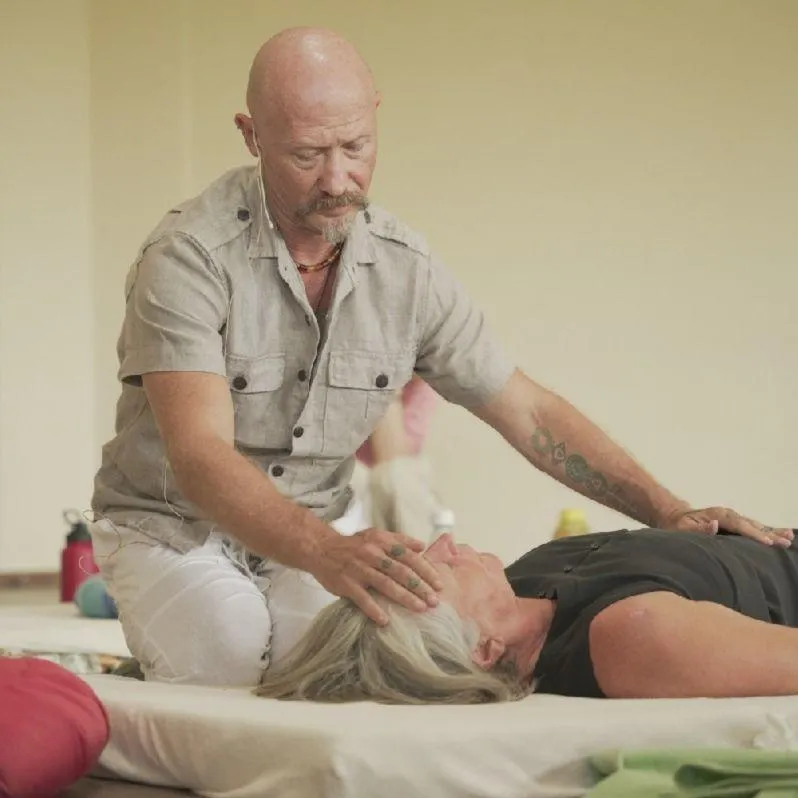
INTRODUCING
Trauma Informed Breathwork
Join us for a 4-hour BBTRS® workshop on safe, nervous-system-led facilitation & immersion into trauma-informed breathwork
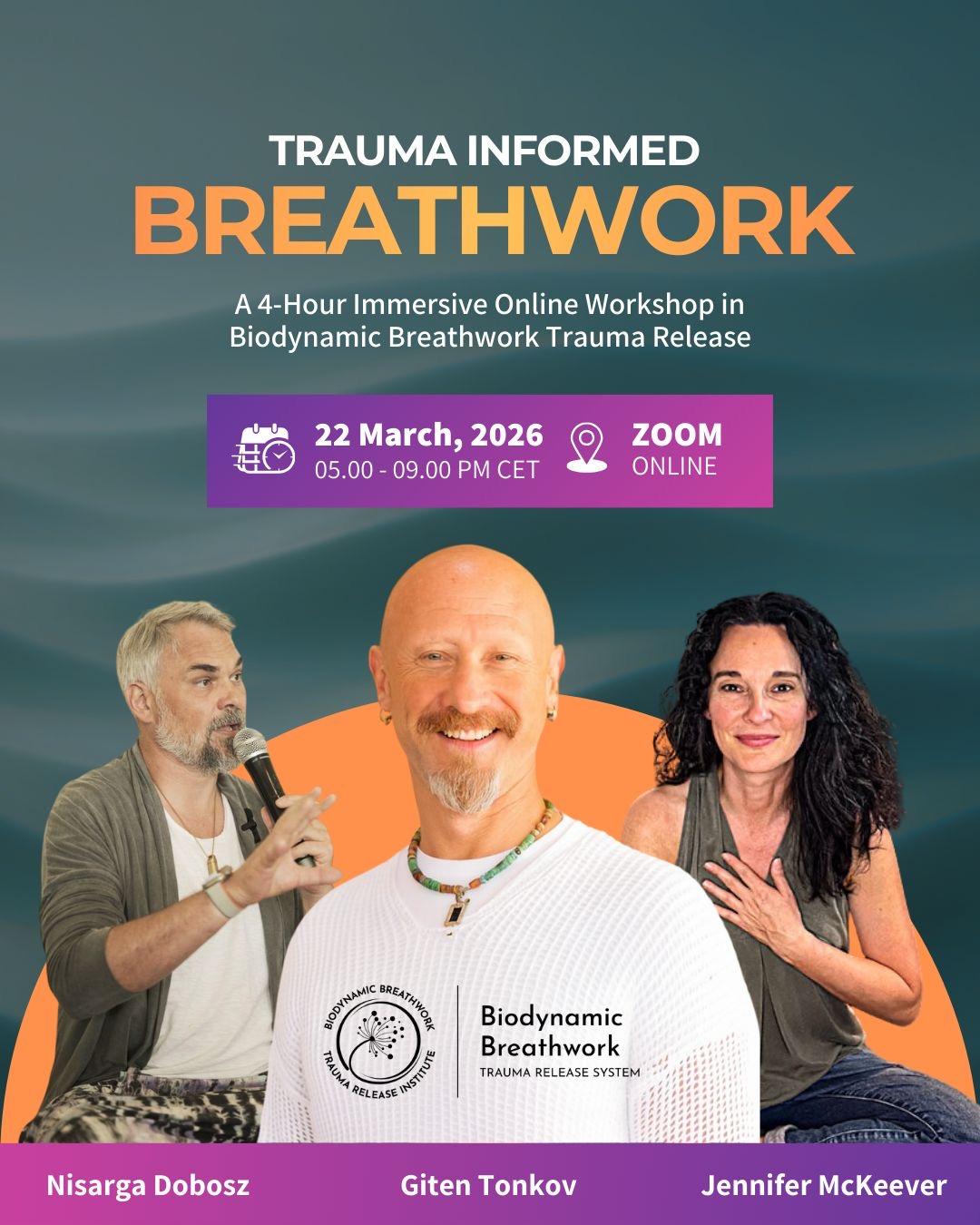

Here's what you get:
A felt sense of real, regulated release
The difference between release and reenactment
How to support the nervous system safely
Tools for pacing, safety, and regulation
Clarity on your next step
Recording of the event for all who register
$49
In just 4 hours and for $49, you’ll experience something many people spend years trying to access through talk-based approaches.
If You Feel Called to Work With Others — Start Here
The most important skill in facilitation is not technique.
It’s your capacity to be in your body while someone else is in theirs.
And that cannot be learned intellectually.
It has to be experienced.
In this session, you will:
• Feel how your own system opens, releases, and regulates
• Experience what safe, precise facilitation actually feels like in your body
• Recognize the difference between “doing techniques” and holding real space
• Connect with senior BBTRS® faculty and feel the depth of embodied experience behind this work
This is where you begin to understand:
👉 Why this work is effective
👉 What makes it different
👉 And whether you are ready to walk this path
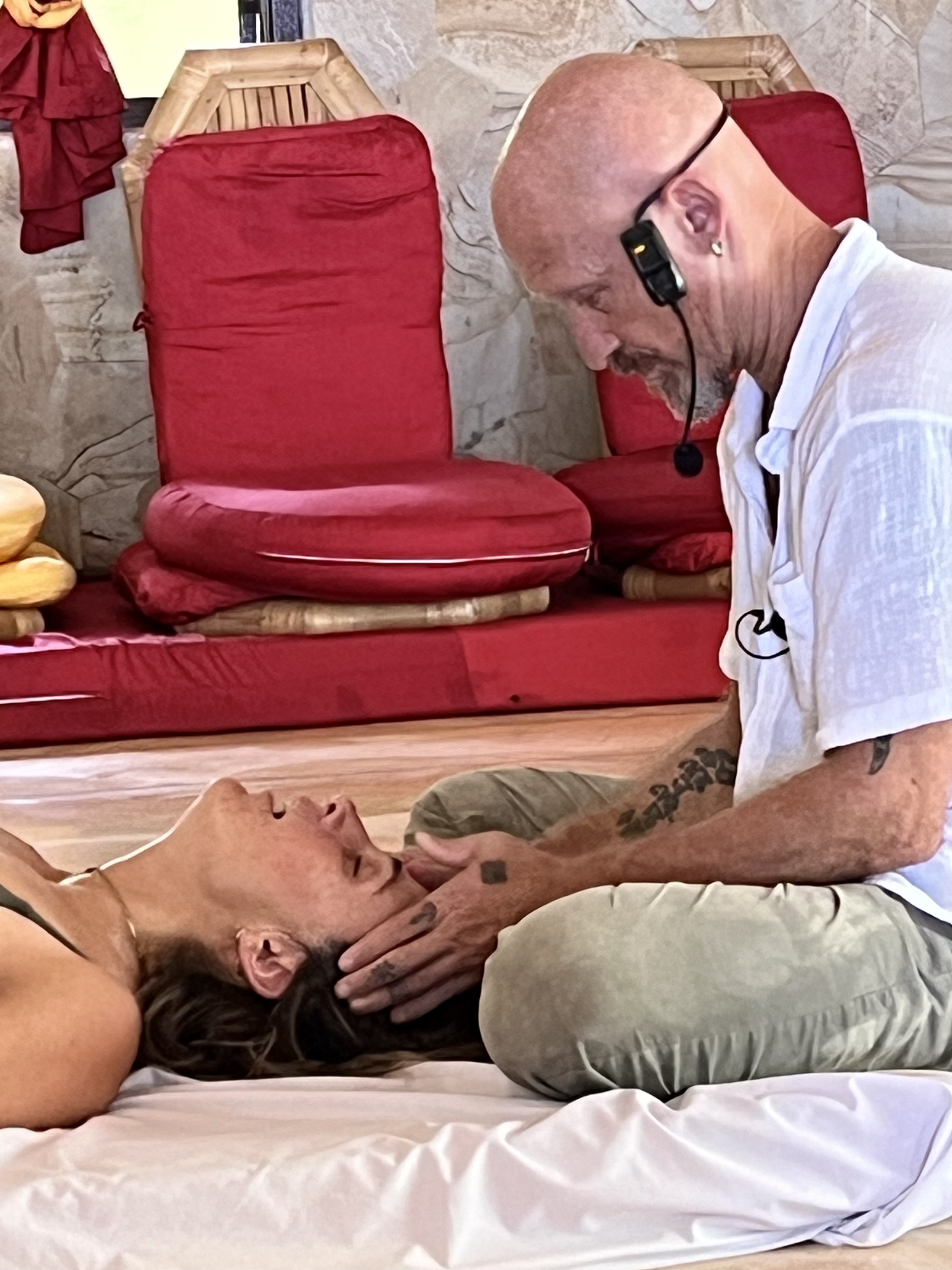
Online Work
Experience the Depth of This Work — Online
And you’ll experience something many doubt:
That this level of depth, regulation, and transformation
is fully possible — even online.
Your Healing Is the Foundation
The depth of connection with others, is only as deep as you met yourself.

Before you guide others, your body needs to know the way.
In this experience, you’ll:
Release stored tension and stress from your system
Feel a deeper sense of safety and grounding
Reconnect to your breath, body, and emotional flow
Learn tools you can immediately use in your daily life
This is not separate from facilitation.
This is the training.
Outcome
What Changes After The Experience
Why trauma and stress get “trapped” in the body and nervous system — and how talk therapy often misses this layer.
The BBTRS pathway to complete unfinished survival responses through the body’s natural intelligence.
Practical somatic tools for daily self-regulation, emotional freedom, and building inner safety.
The beautiful integration of the 6 elements: breath anchors you, movement expresses, sound vibrates, touch connects, emotion liberates, meditation integrates.
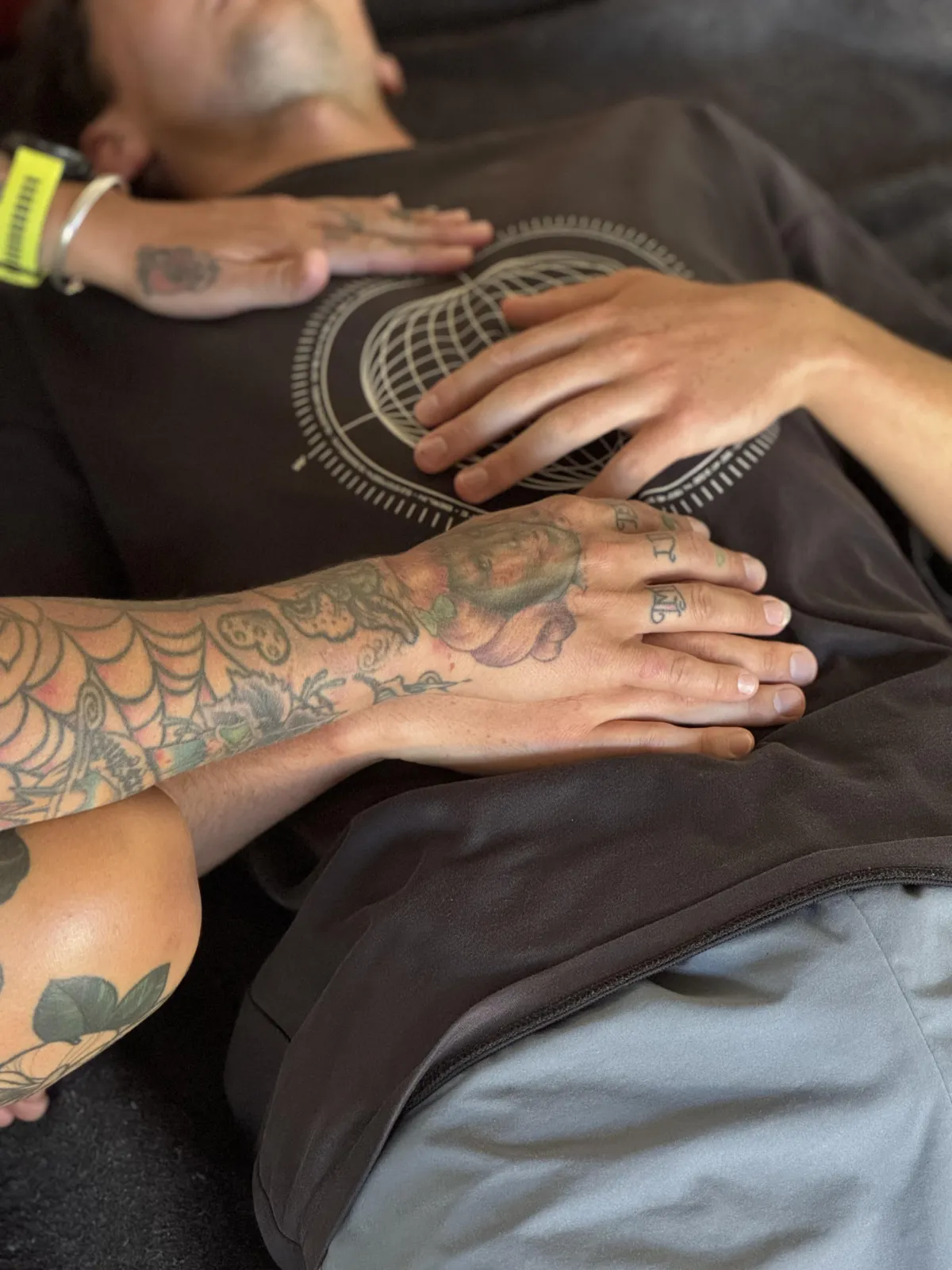
What You'll Leave With

You feel — not just understand — how trauma releases
You know what safe facilitation actually feels like & you gain clarity on working with others in this field
Heightened body awareness, emotional aliveness, and a deeper sense of safety and wholeness.
You trust your body more than your mind
Who May Benefit
This Workshop is Perfect For
Anyone on a healing, trauma recovery, or self-discovery journey ready to move beyond the mind into embodied change
Therapists, coaches, yoga teachers, healers, or helping professionals exploring somatic, trauma-informed tools
Curious explorers who want a professional, safe introduction to breathwork and body-based trauma release before committing to full training
People seeking transformation through direct experience — not just theory — in a trauma-aware, supportive online spa
Our Agenda
Key Topics We'll Explore
Why trauma and stress get “trapped” in the body and nervous system — and how talk therapy often misses this layer.
The BBTRS pathway to complete unfinished survival responses through the body’s natural intelligence.
Practical somatic tools for daily self-regulation, emotional freedom, and building inner safety.
The beautiful integration of the 6 elements: breath anchors you, movement expresses, sound vibrates, touch connects, emotion liberates, meditation integrates.
Overview of BBTRS® and the latest science of breathwork
Experiential: Breathing into the Heart
Sharing / Q&A
Break
Demo
Q&A
Experiential: Movement and Pelvis
Sharing / Q&A
Your facilitator - BBTRS® Founder
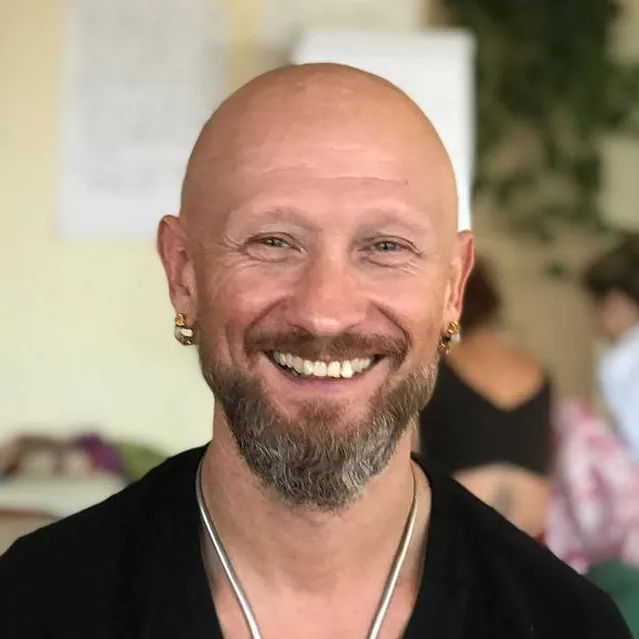
GitenTonkov
Giten Tonkov is the founder of the Biodynamic Breathwork & Trauma Release System® and author of Feel to Heal. With over two decades of practice, he developed the BBTRS® six-element approach, emphasising pacing, consent, and nervous-system safety. Giten trains practitioners worldwide and continues to refine trauma-informed breathwork education.
Your facilitator - Senior BBTRS® Faculty
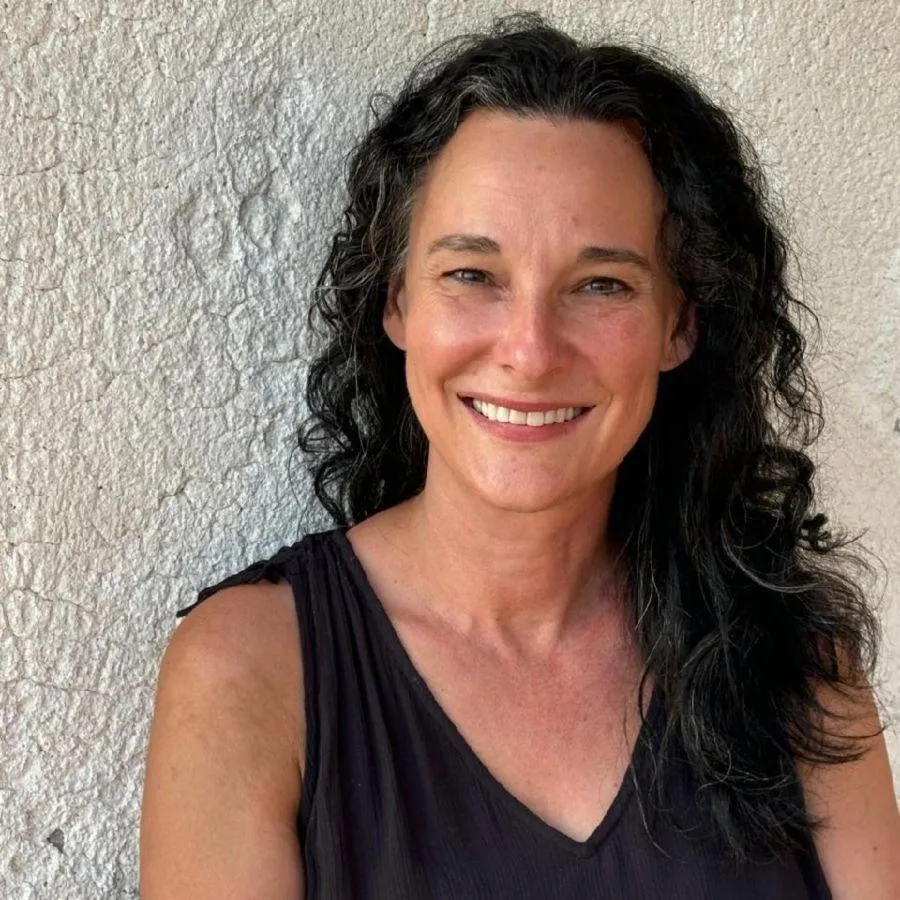
Jennifer McKeever
Jennifer McKeever is a somatic psychotherapist, trauma educator, and BBTRS®️ Instructor with over 30 years of experience in body-based healing. Known for her compassionate presence and deep insight, she gently guides others into embodied awareness, where healing, truth, and transformation can unfold.
Your facilitator - Senior BBTRS® Faculty
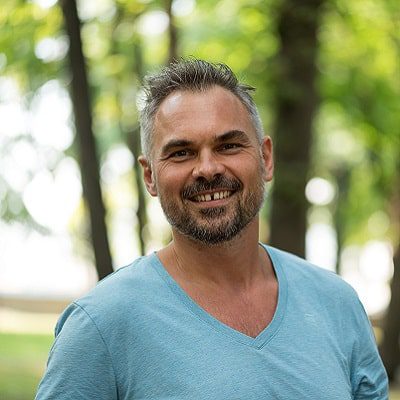
Nisarga Dobosz
Nisarga began his journey with breathwork and healing practising Pranayama (yogic breathing) at a yoga studio in Warsaw, Poland in 1998. Guided by his spiritual search and interest in deep inner healing he first came to the OSHO International Meditation Center in Pune, India in 2005 where he discovered the revolutionary breath therapies and meditations taught by the late Indian Master Osho and his disciples. His motivation to learn about and deeply understand the human body and its language took him to the sources of integrated mind-body-spirit work. He continued travelling and living around the world for the next 10 years, studying and practising various breathwork, bodywork and meditation techniques from the Zen, Sufi, Tao, Buddhist, Tantra and Osho traditions in Asia, Europe and America.